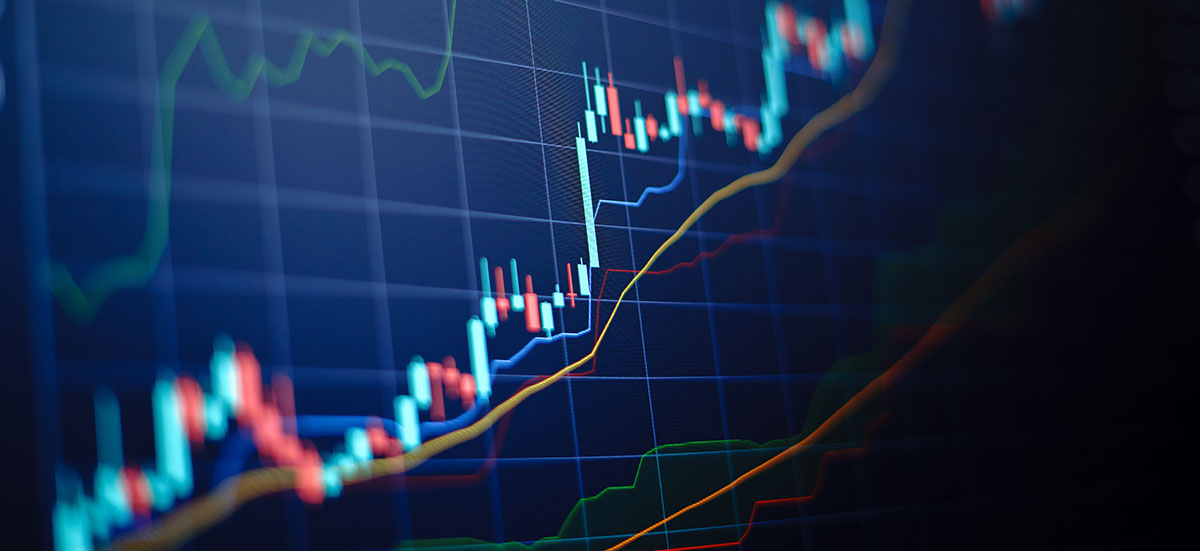
Trading has been a passion of mine for years, long before I ever thought about real estate or entrepreneurship. What started as curiosity evolved into a disciplined practice, one where every decision matters and every move carries risk. Over time, I’ve learned that trading is much more than numbers on a screen—it’s about strategy, psychology, and the ability to adapt. In this post, I want to share my perspective on advanced trading strategies and how I approach risk, decision-making, and optimization in the markets.
Understanding the Market Landscape
Before diving into strategies, I’ve learned that context is everything. Markets are complex, influenced by global events, investor behavior, and countless variables that can change in an instant. One of the first lessons I absorbed is that you can’t control the market—you can only control your approach to it.
This mindset shapes how I analyze trends and patterns. I focus on both macro-level factors, like interest rates and economic cycles, and micro-level indicators, like price movements and volume. Combining these perspectives helps me build a more complete picture of potential opportunities and risks. It’s like being both a long-distance runner and a sprinter at the same time—you need endurance to navigate the big picture and agility to respond to short-term shifts.
Risk Management Is Non-Negotiable
If there’s one thing I emphasize more than anything else, it’s risk management. Advanced trading strategies are meaningless if you can’t protect your capital. I treat every trade as a calculated risk rather than a gamble. This means setting clear stop-loss levels, defining position sizes, and diversifying across different assets or markets.
I’ve learned that losses are inevitable, no matter how skilled you are. The key is ensuring that each loss is manageable and that your gains consistently outweigh them. It’s a mindset shift—from trying to predict the future perfectly to controlling what you can: your exposure, your decisions, and your reactions.
Combining Technical and Fundamental Analysis
For me, one of the most powerful approaches is integrating technical and fundamental analysis. Technical analysis helps me understand market behavior, identify trends, and time entries and exits. Candlestick patterns, moving averages, and momentum indicators are tools I use to spot opportunities with precision.
On the other hand, fundamental analysis provides context. Understanding the underlying value of a company, commodity, or currency, and the factors driving its price, is crucial for making informed decisions. By combining both approaches, I can evaluate trades from multiple angles and reduce reliance on guesswork.
Leveraging Technology and Tools
Technology has transformed trading in ways that are impossible to ignore. Today, traders have access to real-time data, algorithmic tools, and analytics platforms that make strategy implementation faster and more precise. I use tools that allow me to back-test strategies, monitor market sentiment, and track risk exposure across multiple positions.
But technology is only as good as the trader behind it. I’ve seen people rely too heavily on automated systems without fully understanding the mechanics, which often leads to costly mistakes. For me, tools are a complement to judgment, not a replacement. Mastery comes from learning the underlying principles, not just pressing buttons.
Developing Discipline and Emotional Control
One of the hardest, yet most important, aspects of advanced trading is emotional control. Markets can be volatile, and it’s easy to let fear or greed dictate your actions. I’ve learned to approach trading with the same discipline I apply to endurance sports. Patience, consistency, and focus are essential.
I set rules for myself and stick to them, even when the market is tempting me to deviate. This includes knowing when to step back, take breaks, and review past trades. Over time, emotional discipline becomes a competitive advantage—markets reward calm, rational decision-making more than impulse.
Adapting Strategies Over Time
No strategy is perfect forever. Markets evolve, and what worked yesterday might not work tomorrow. One of the lessons I’ve learned is the importance of adapting and iterating. I constantly review my trades, analyze performance, and adjust my approach based on what I’ve learned.
This iterative mindset keeps me ahead of the curve. I experiment with new techniques, test hypotheses, and remain flexible without abandoning core principles like risk management and discipline. Trading is, in many ways, a lifelong learning process—and the most successful traders are those who embrace that reality.
Advanced trading is both an art and a science. It requires technical skill, analytical thinking, and emotional intelligence. For me, the journey is as much about personal growth as it is about financial performance. Every trade teaches a lesson, every market cycle tests your patience, and every strategy evolves over time.
If I were to distill my approach into one principle, it would be this: focus on what you can control—your knowledge, your risk, and your discipline—and approach every decision with both curiosity and caution. By doing so, trading becomes more than a financial endeavor; it becomes a practice in focus, resilience, and continuous improvement.
For anyone stepping into the world of advanced trading, I’d say: don’t rush. Build a strong foundation, respect the market, and never stop learning. The rewards are not just in profits—they’re in the skills, discipline, and perspective you gain along the way.